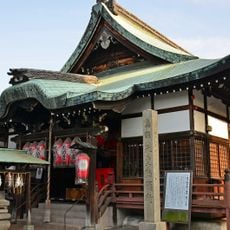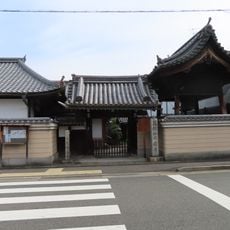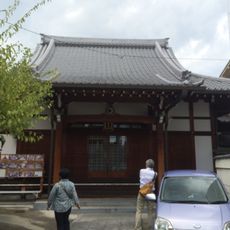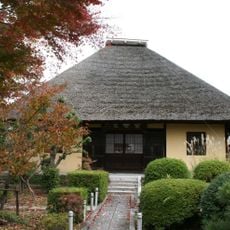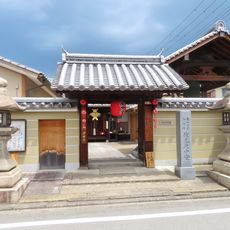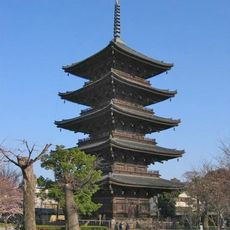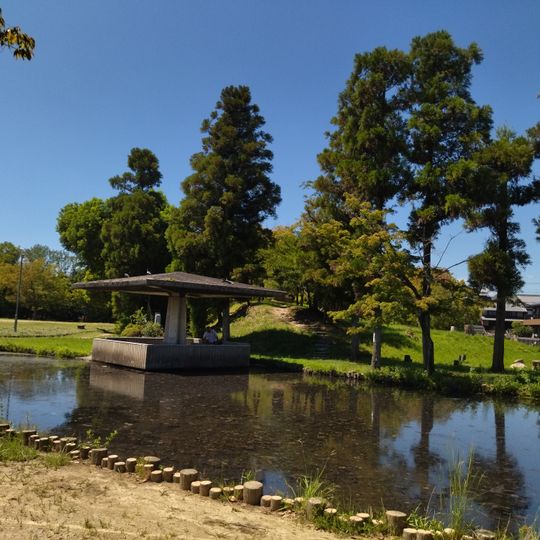
Toba Imperial Villa, Detached palace in Fushimi ward, Kyoto, Japan
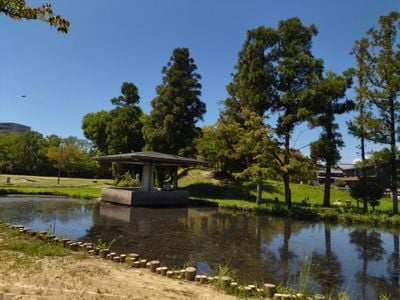
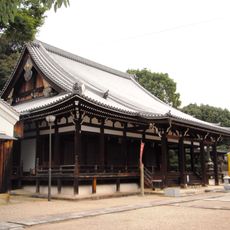
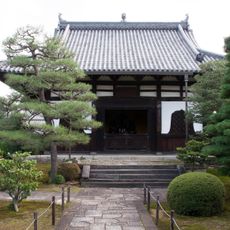
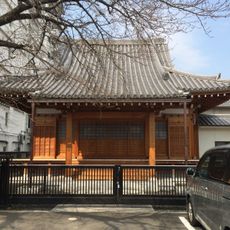
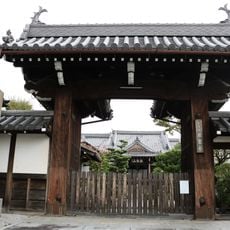
Toba Imperial Villa is a palace complex that extends across multiple districts containing several palace buildings, Buddhist halls, and landscaped gardens with water features. The site displays typical Heian period characteristics with different sections designed for various ceremonial and residential purposes.
Emperor Shirakawa established the villa in 1086, and it underwent major expansions under Emperor Toba during the Heian period. The complex was later transformed into important religious structures, reflecting its ongoing significance in the region.
The eastern palace grounds display a traditional yarimizu stream and pebble beach arrangement that reflected how Japanese gardens were designed during that era. Visitors today can observe how water and stones were deliberately positioned to represent nature on a smaller scale.
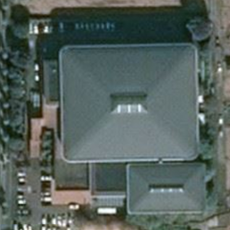
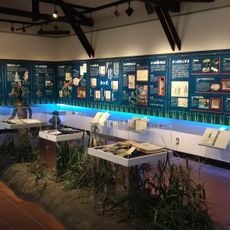
The archaeological remains of the villa are scattered across different locations and can be visited under certain conditions. Exploring the site works best with a local guide or informational materials that explain the layout of the different palace sections.
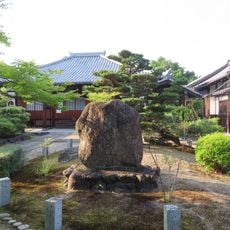
The waterfall stone configuration at Kongoshin'in temple ranks among the few preserved elements from the original complex design. This carefully crafted arrangement demonstrates the craftsmanship and design values of its era.
Fællesskabet af nysgerrige rejsende
AroundUs samler tusindvis af udvalgte steder, lokale tips og skjulte perler, som hver dag beriges af 60,000 bidragydere verden over.